
unique, timeless, raw
Maximum number of people per session - 4
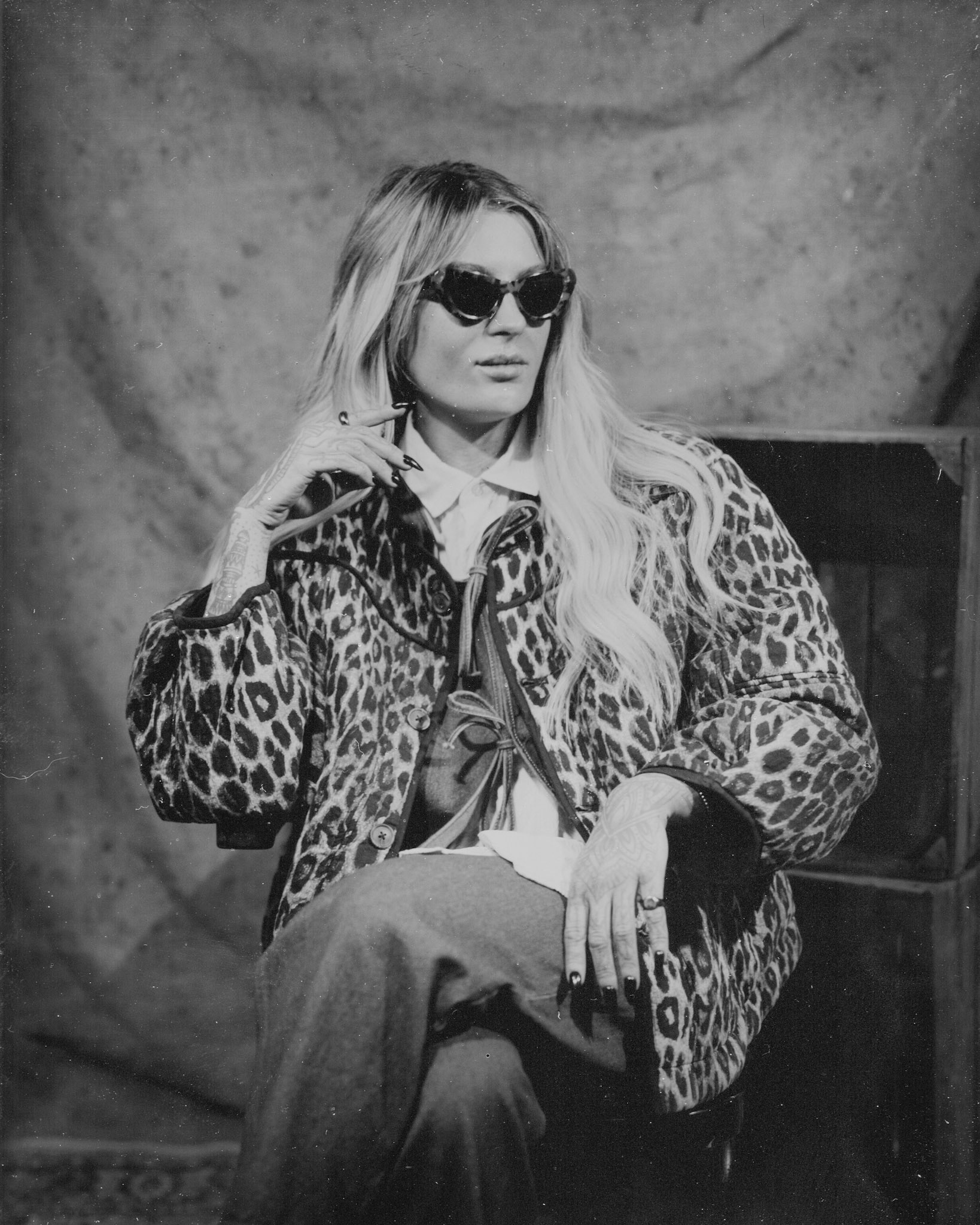
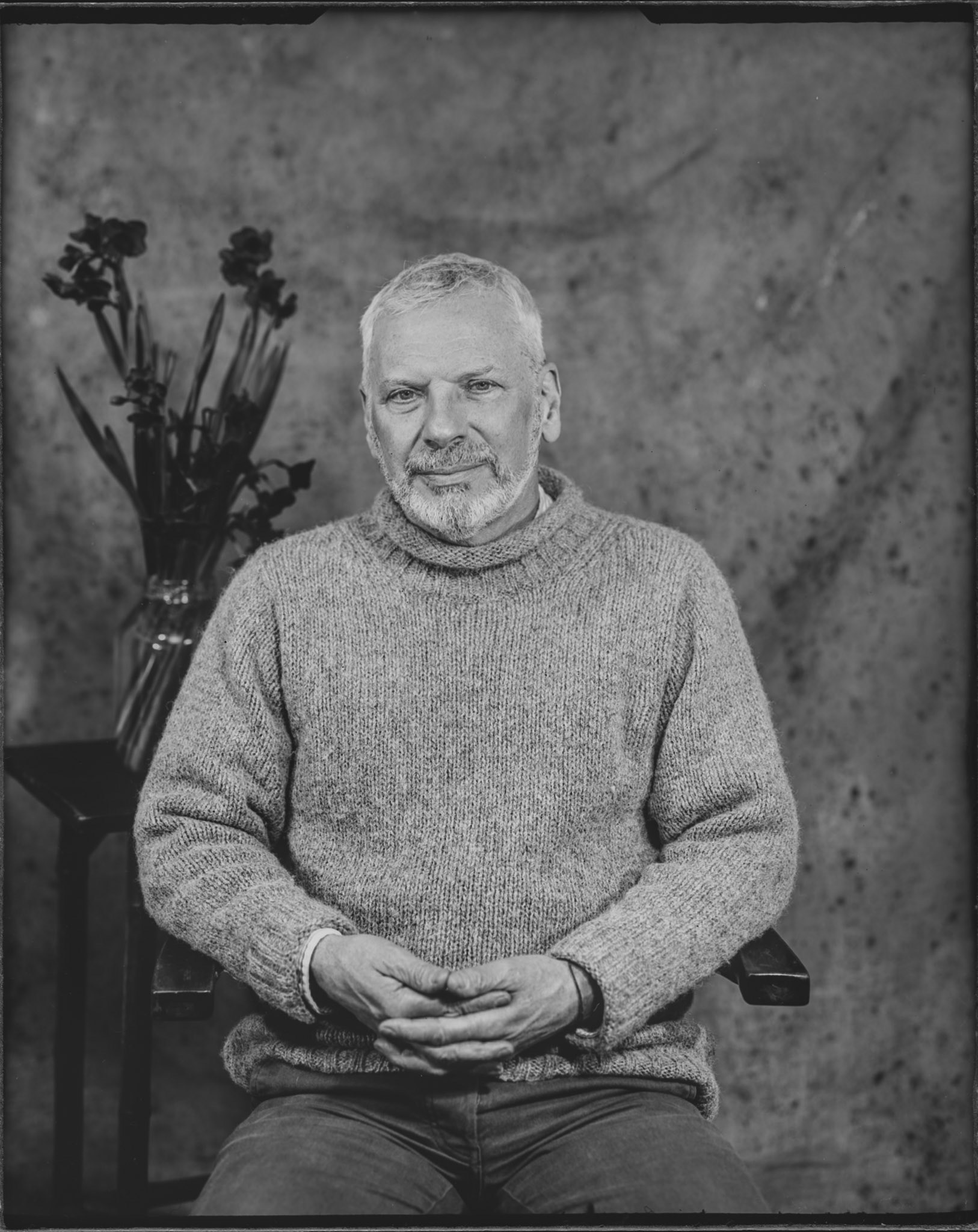
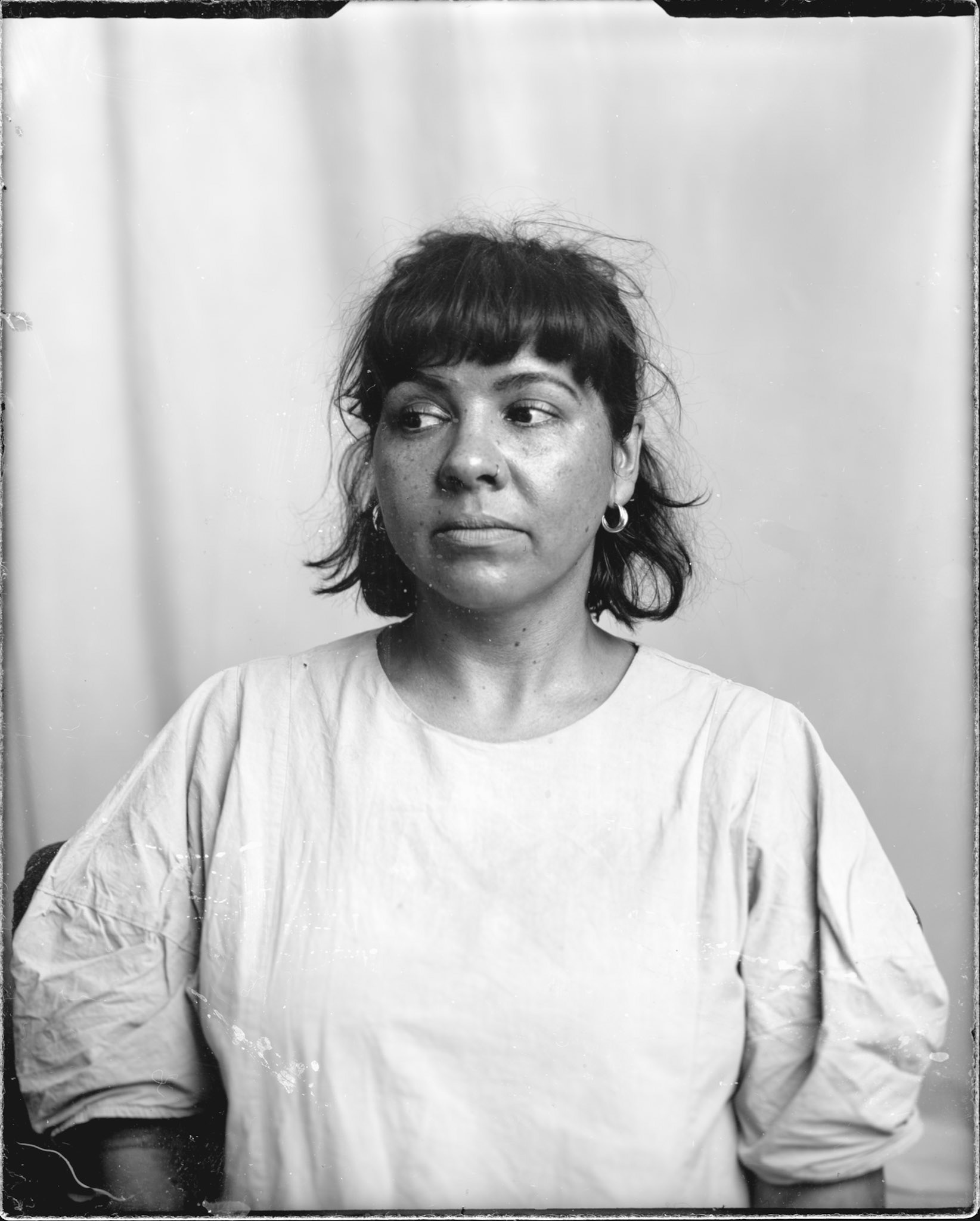
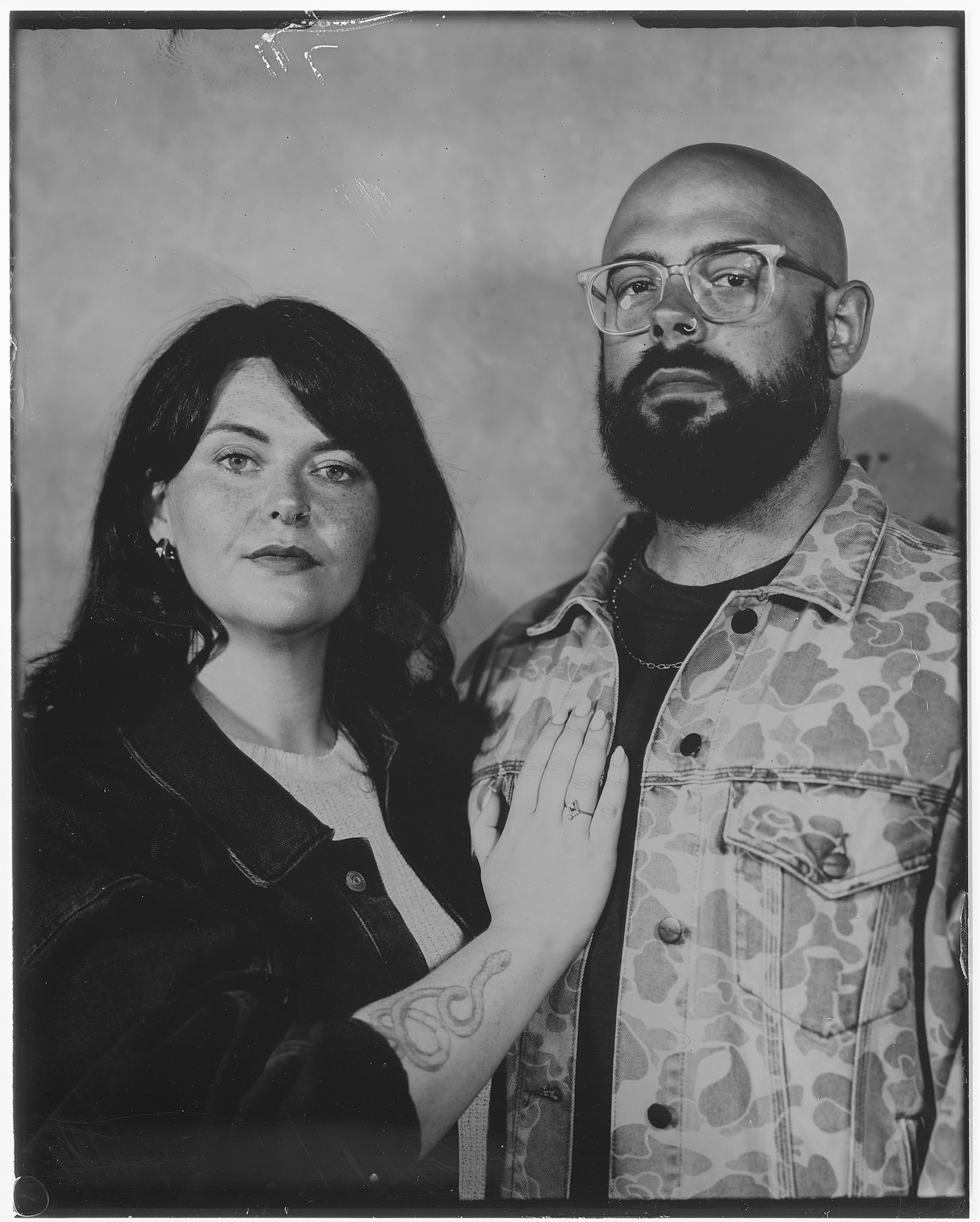
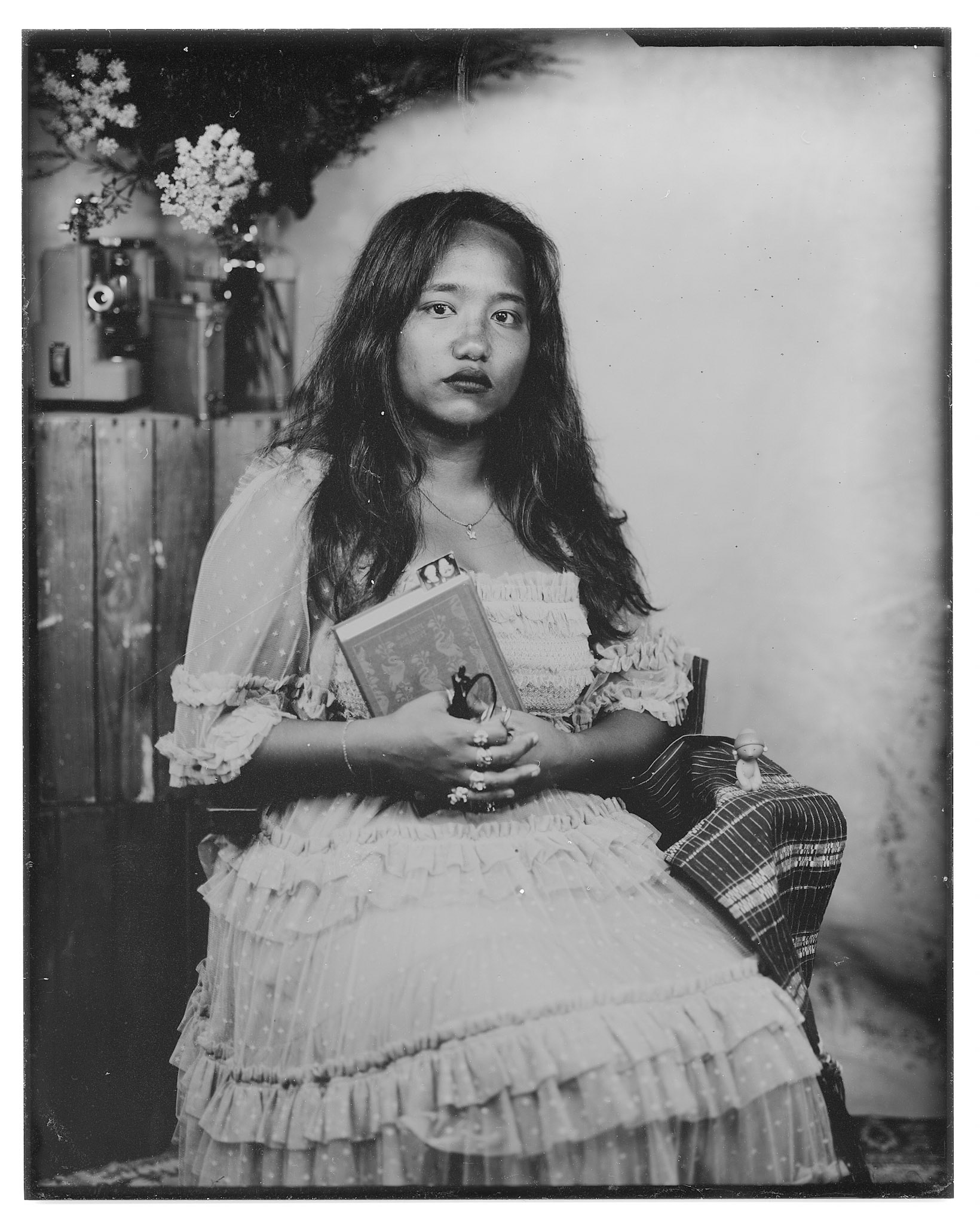
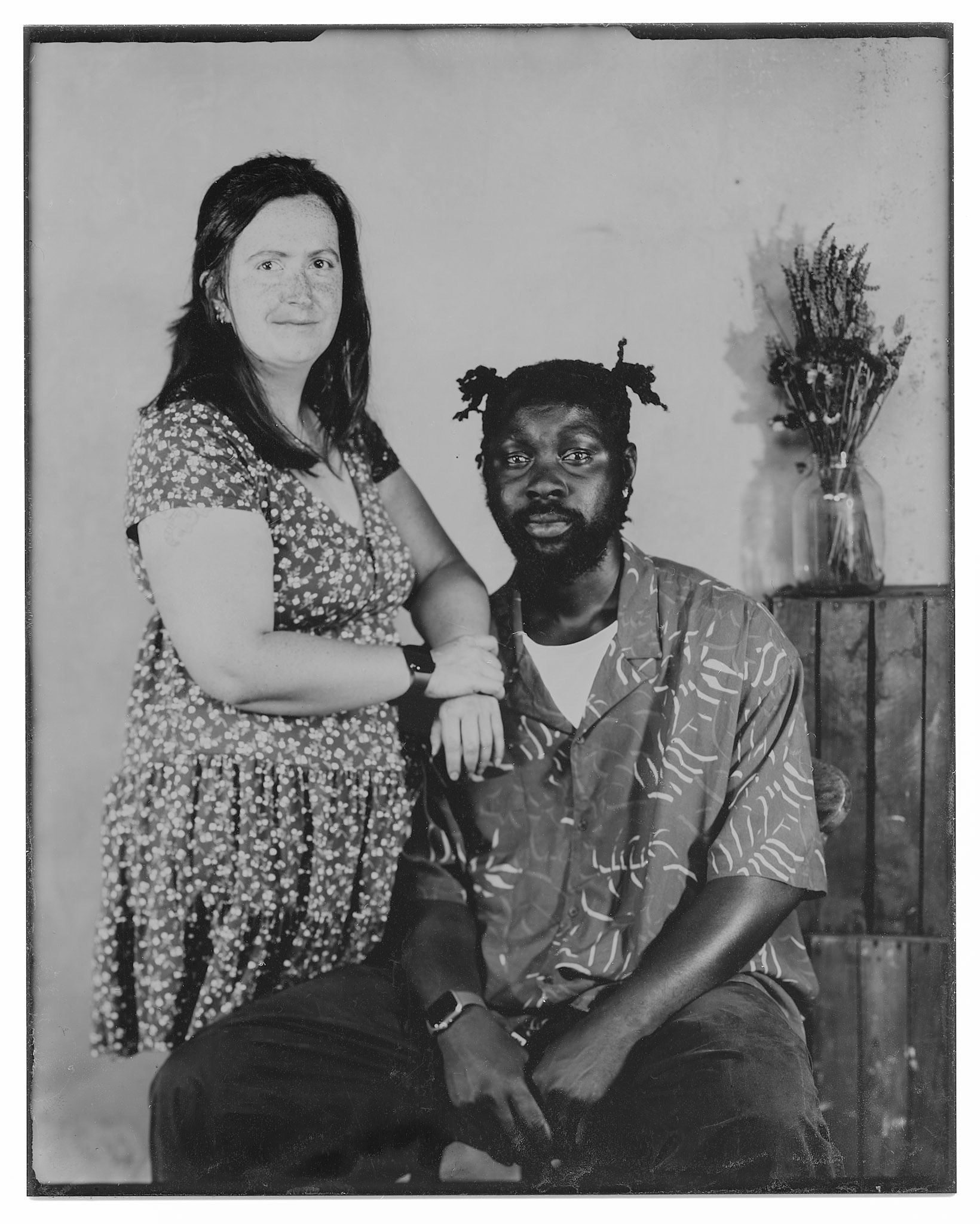
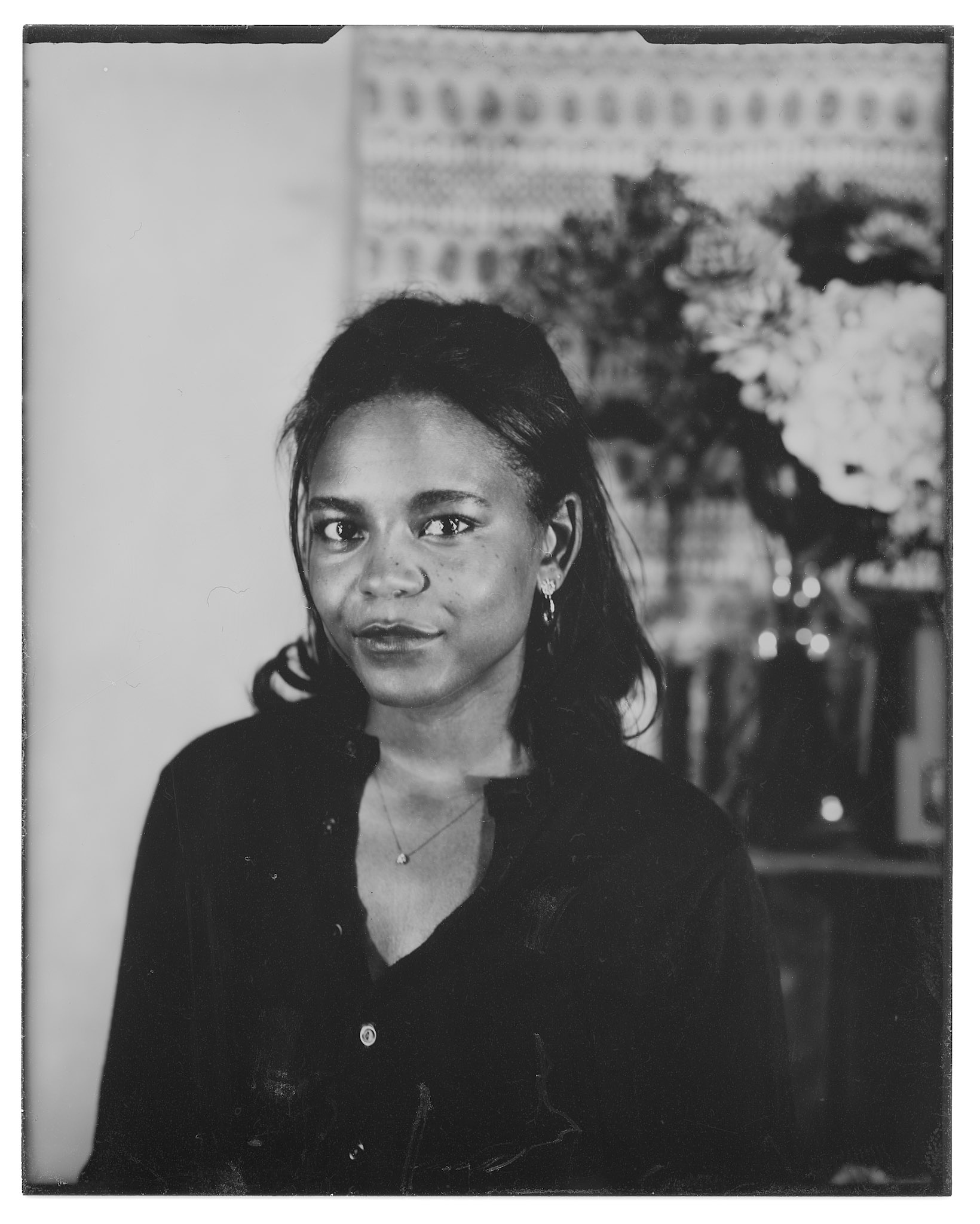
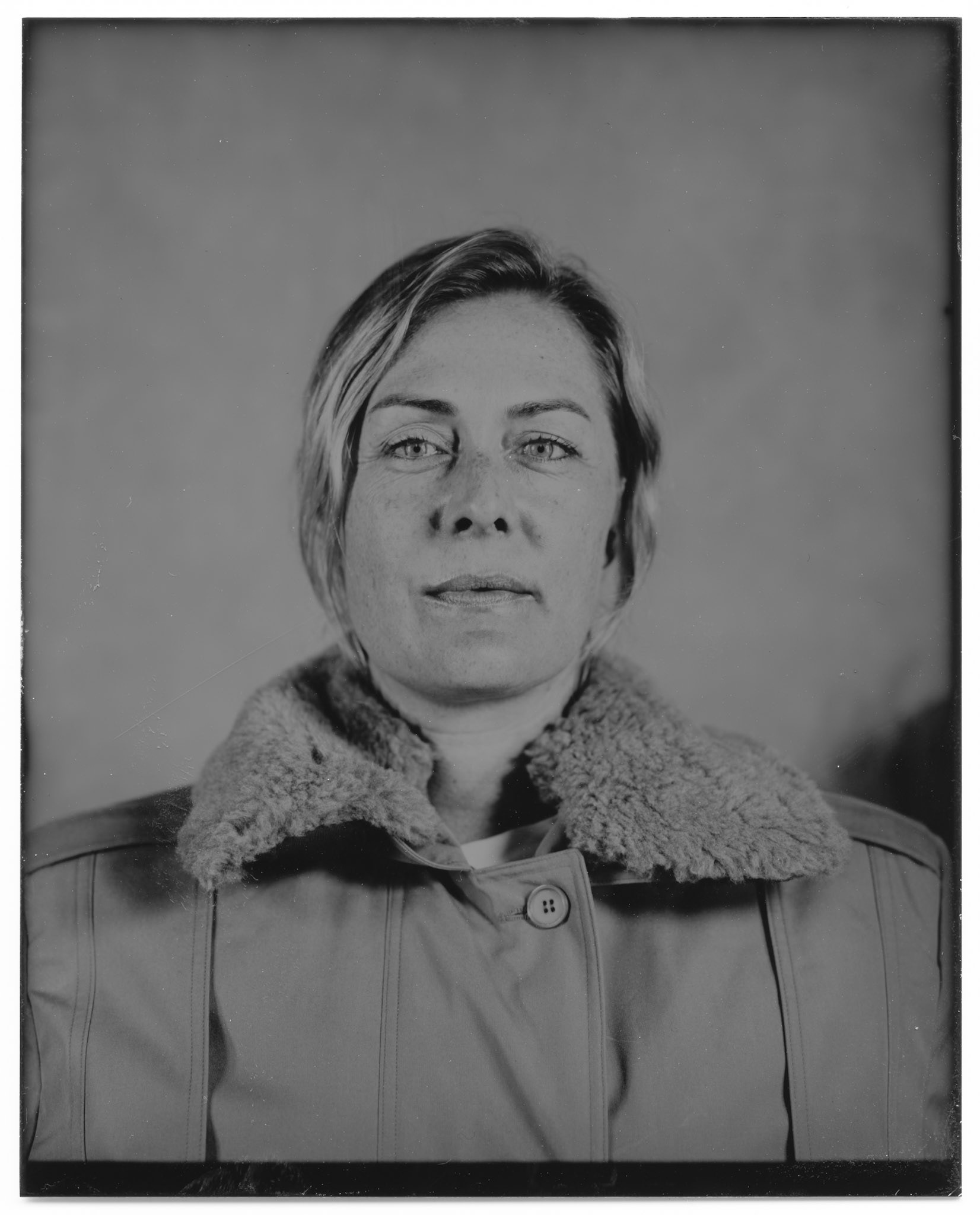
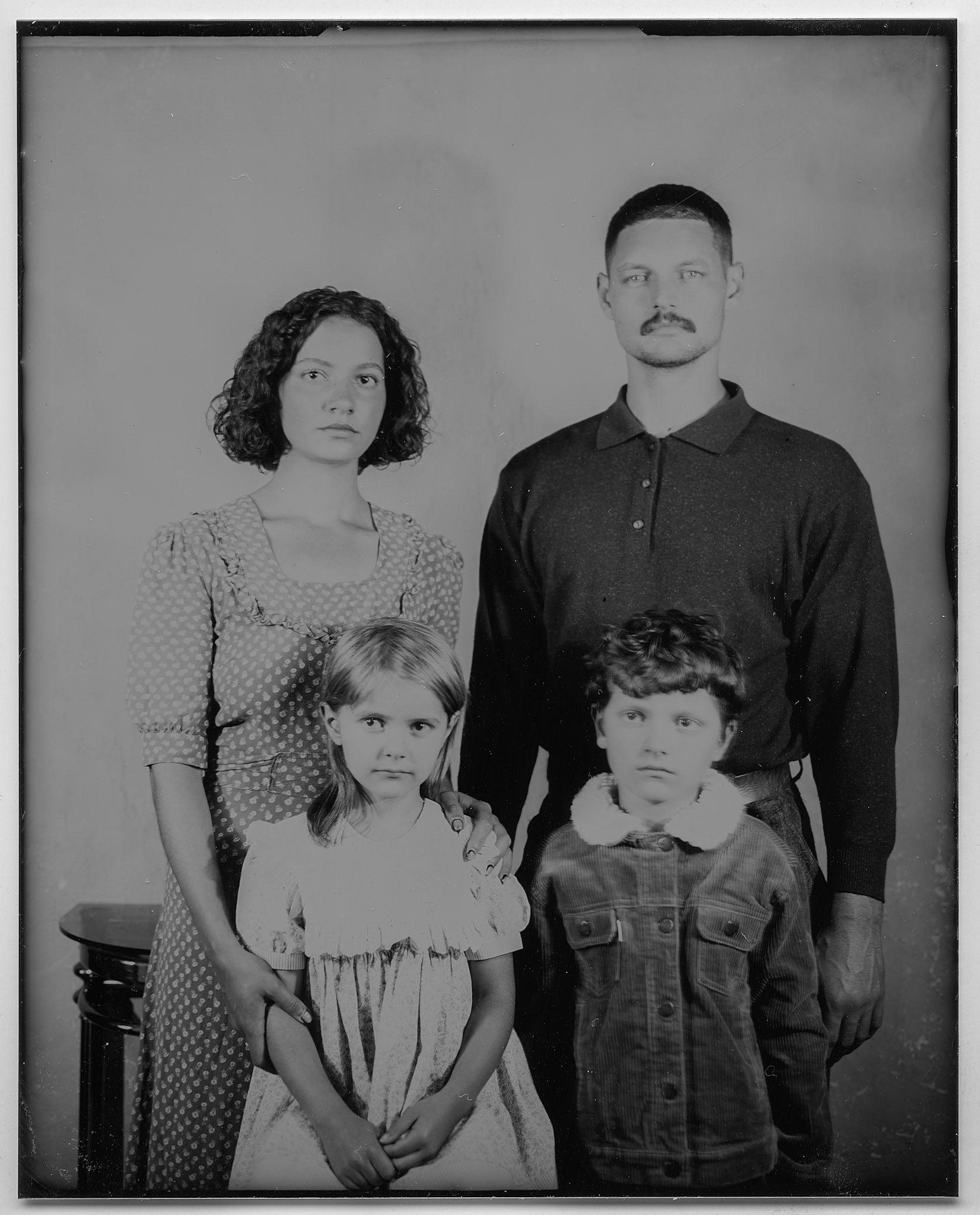
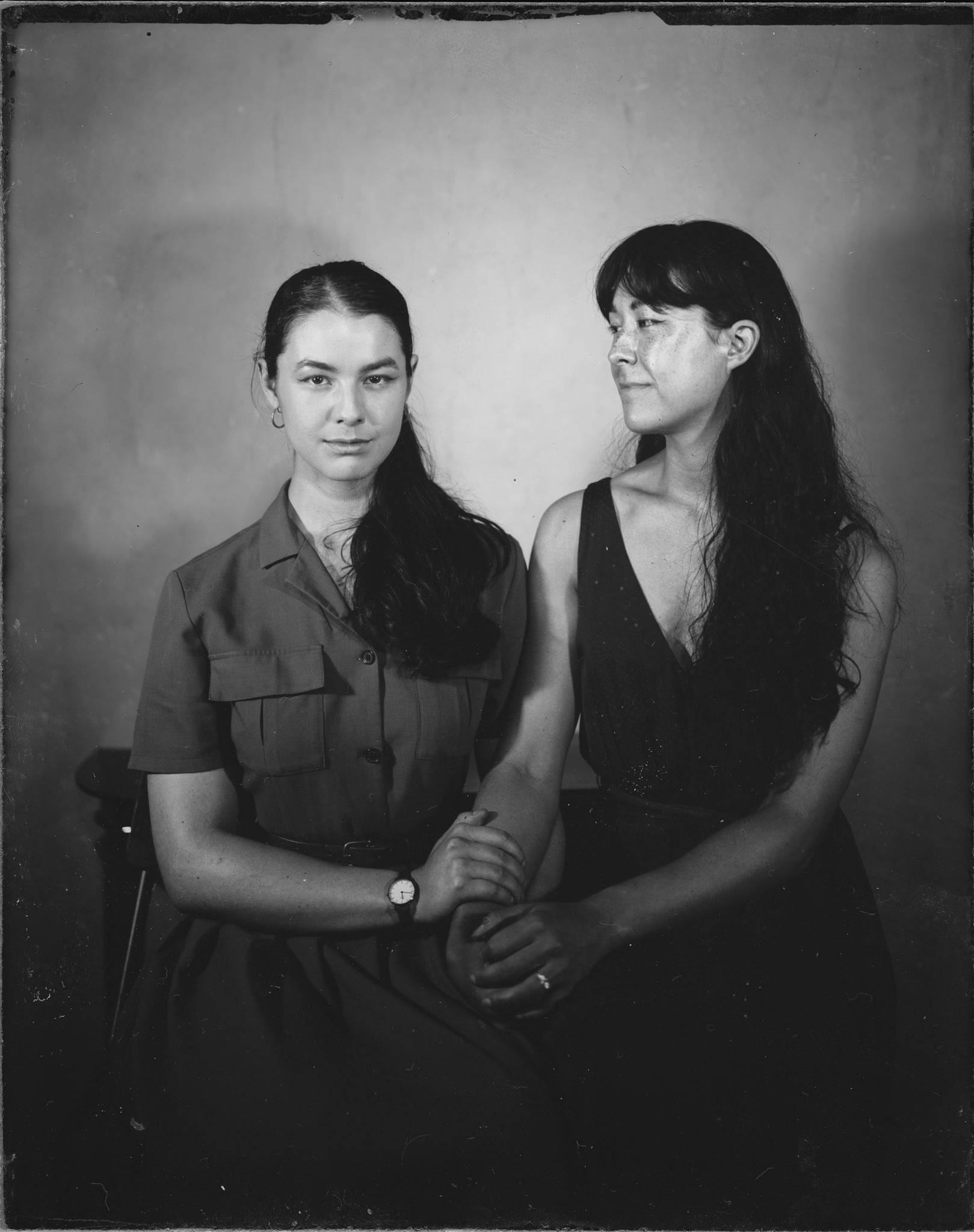
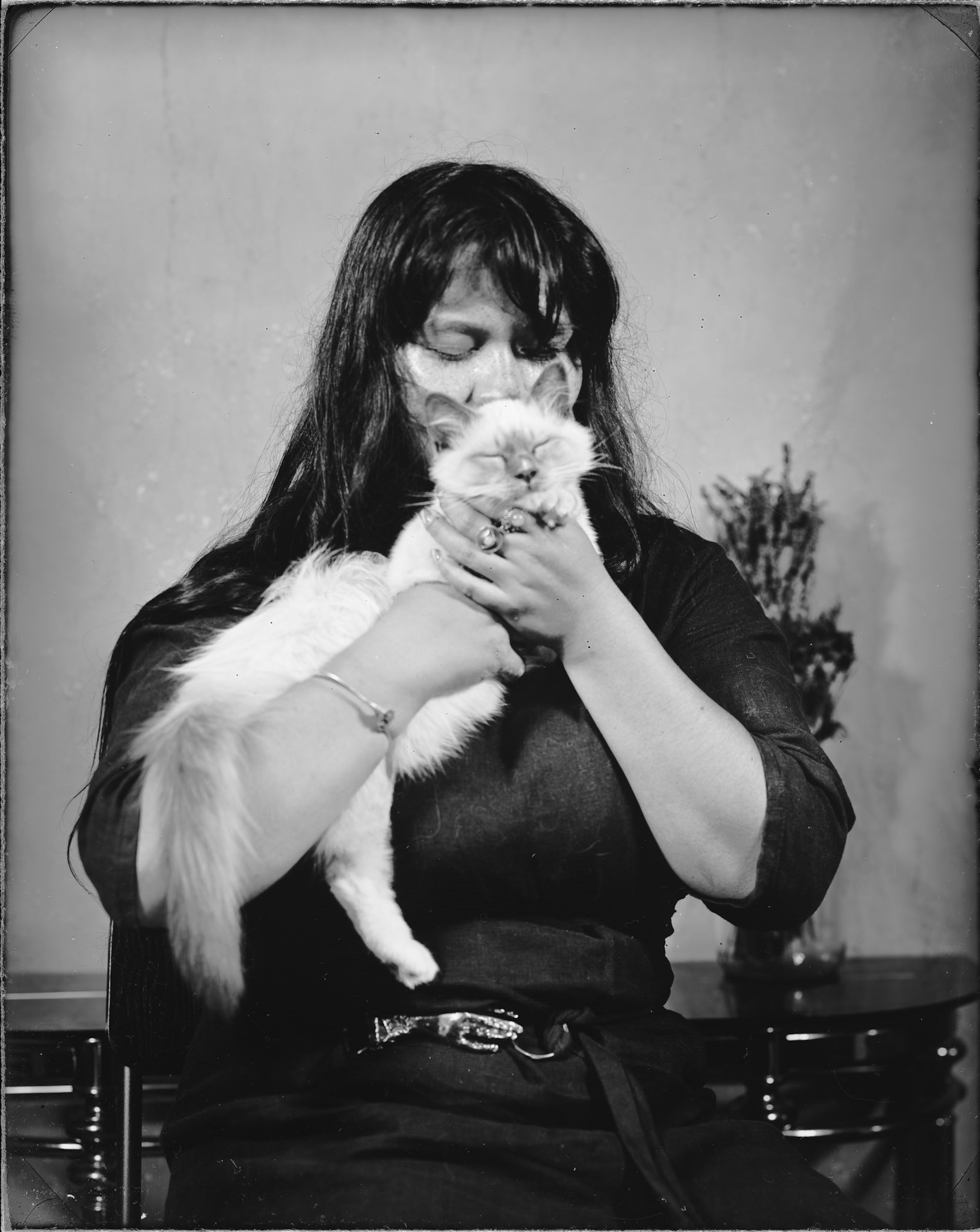
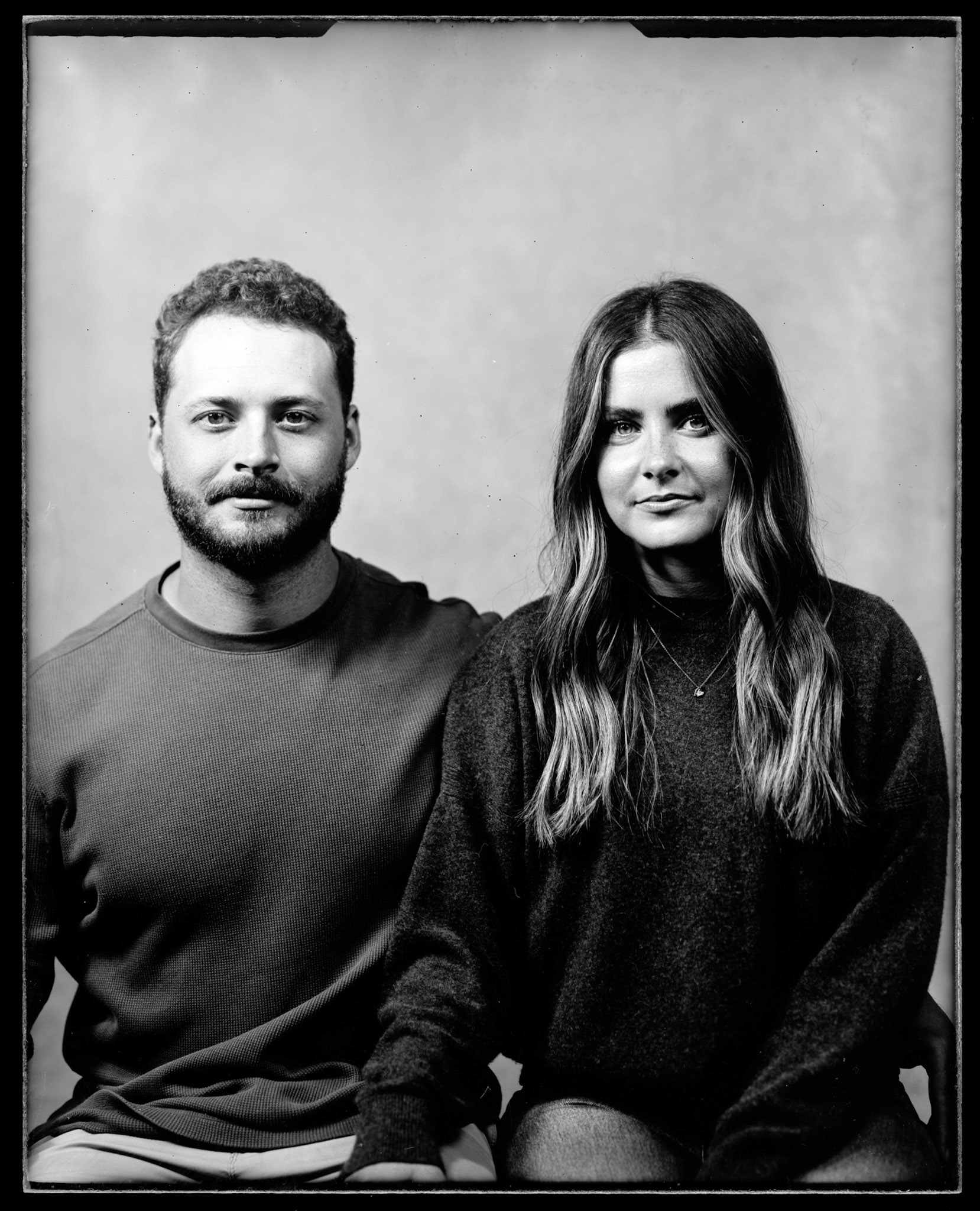
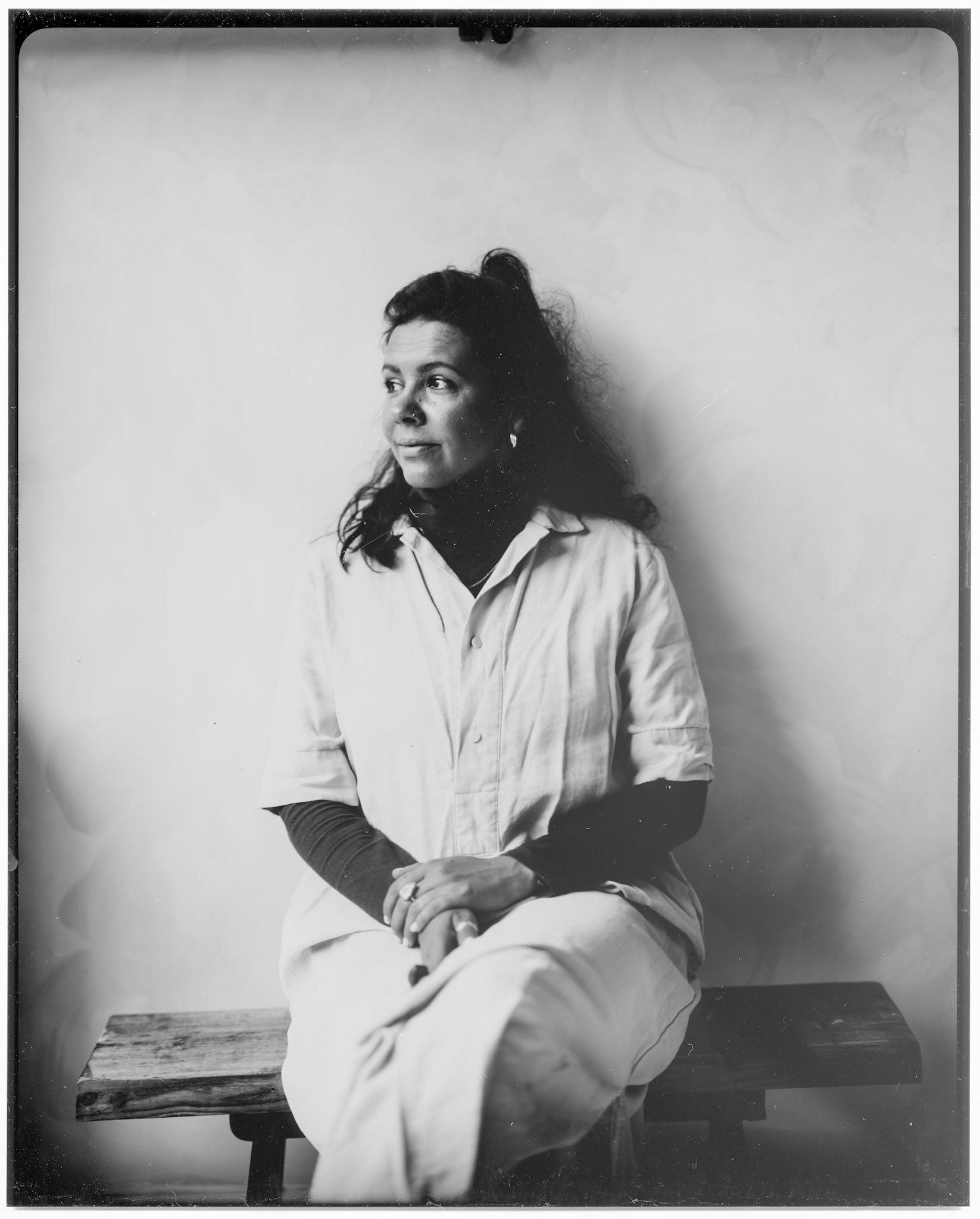
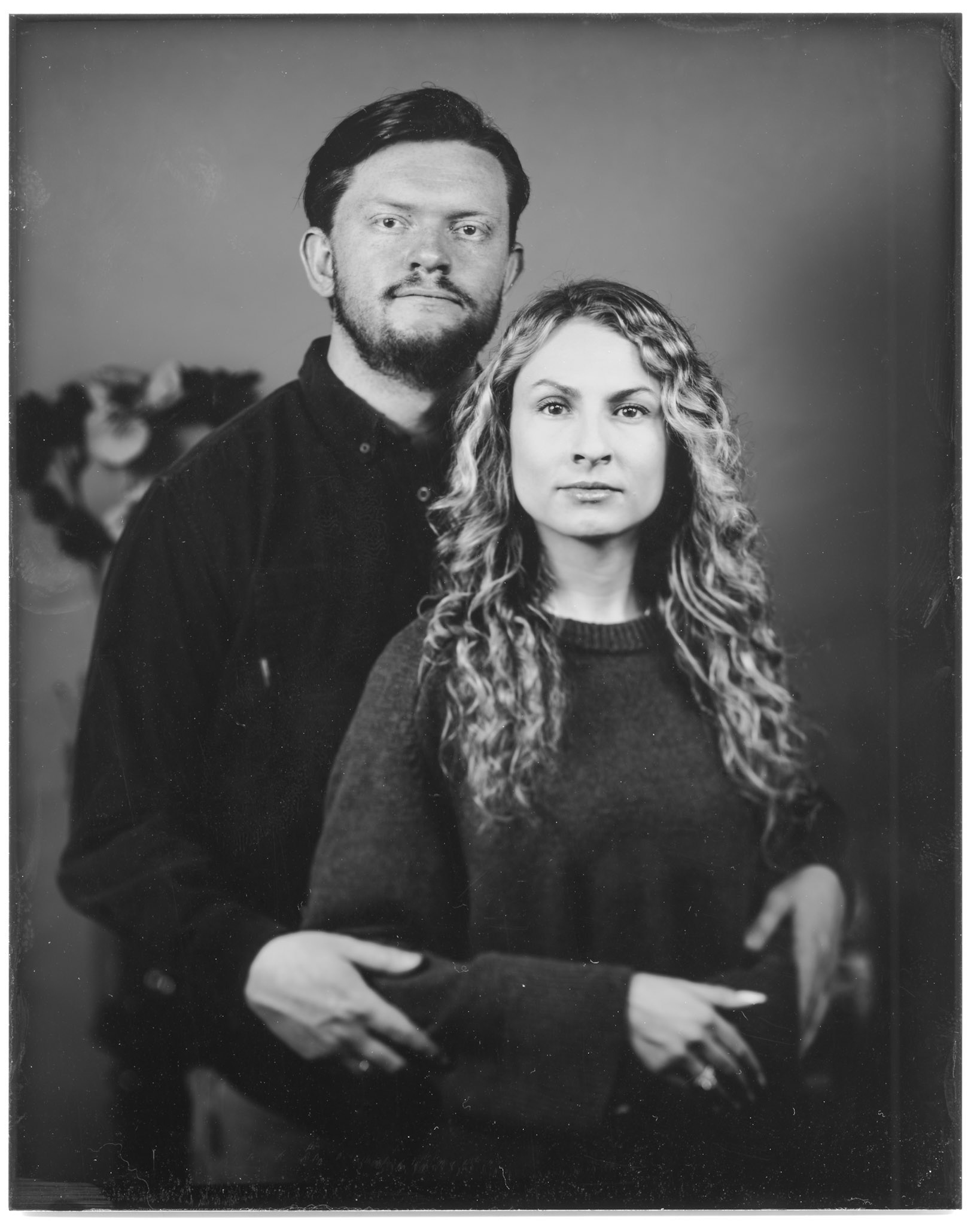
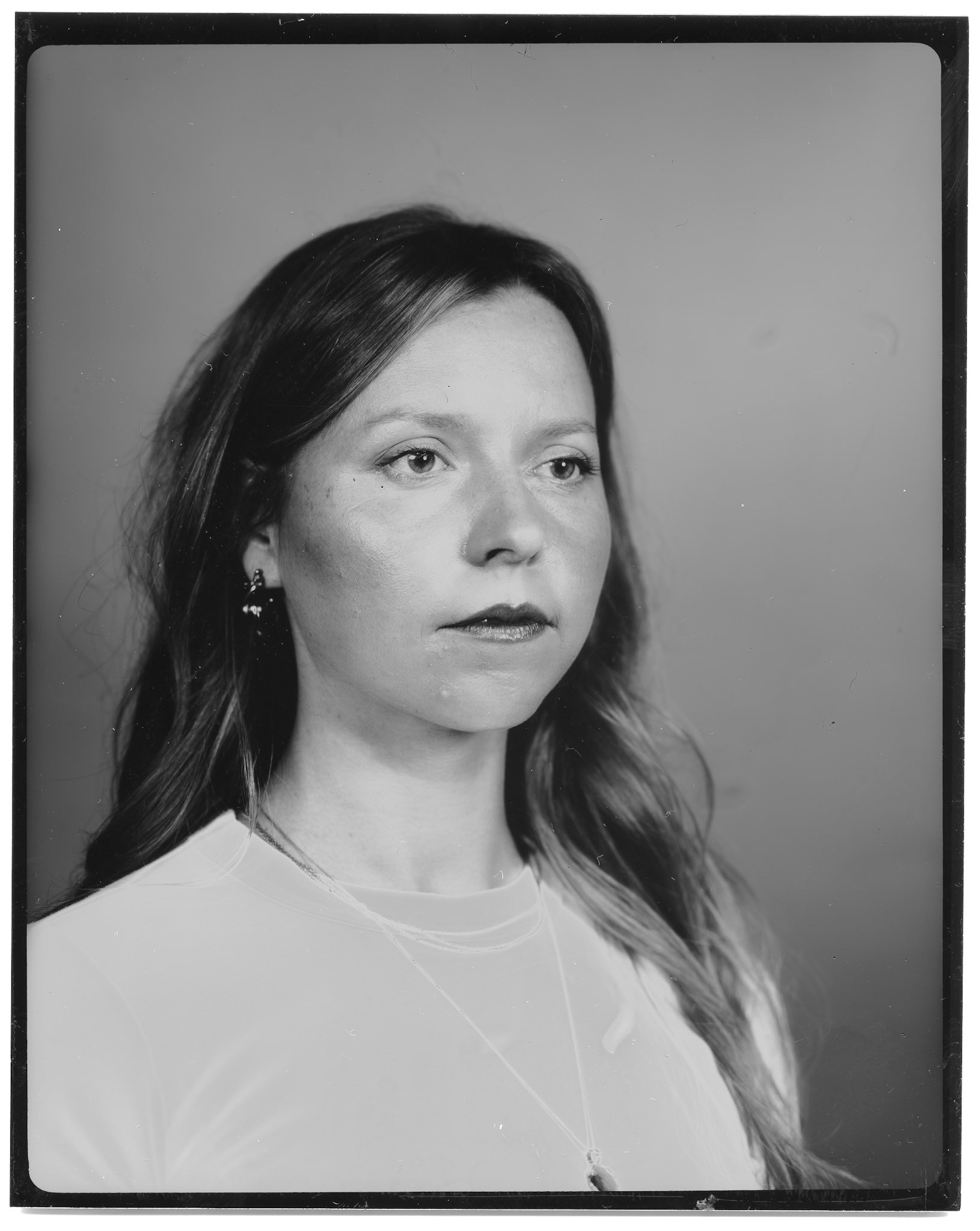
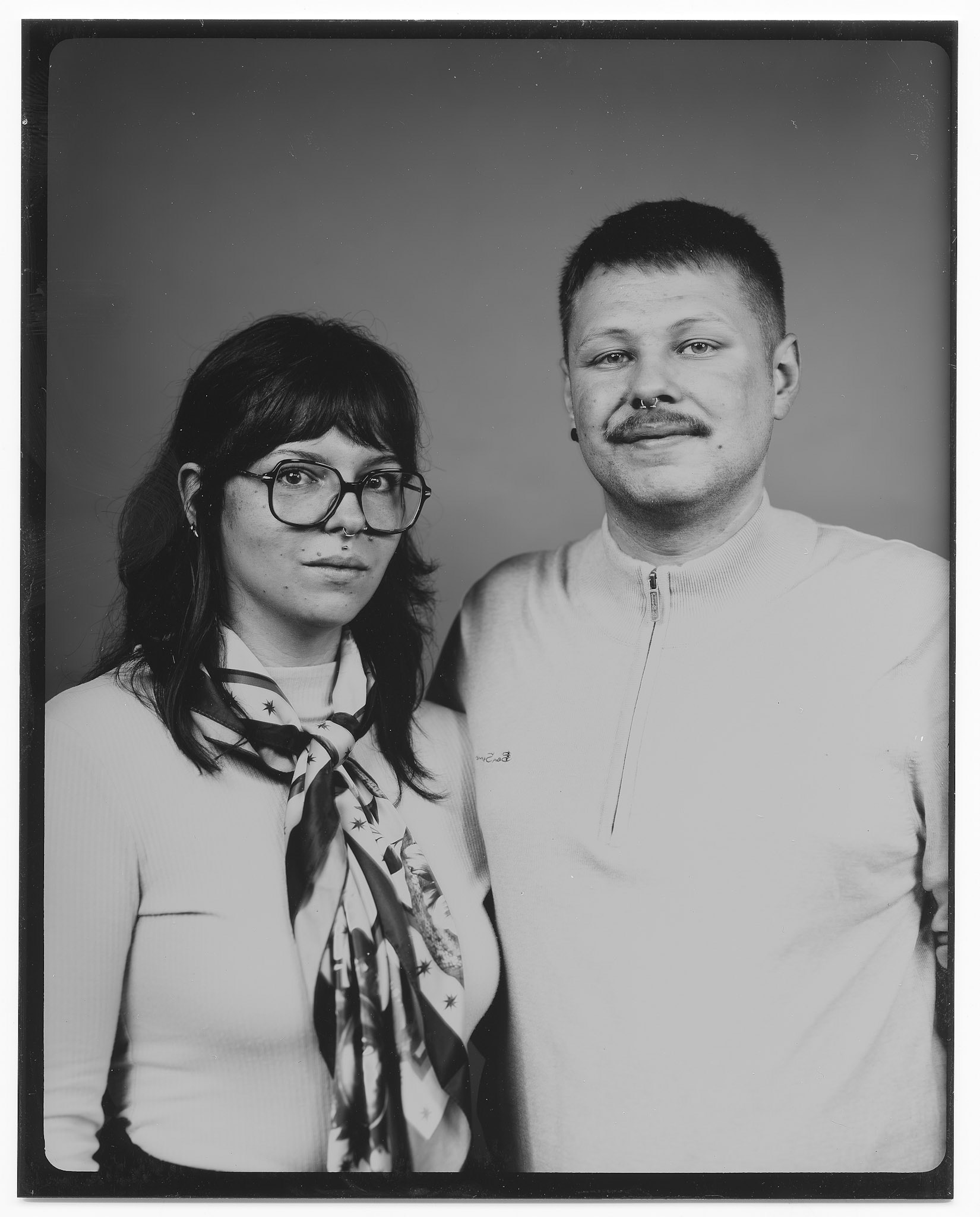
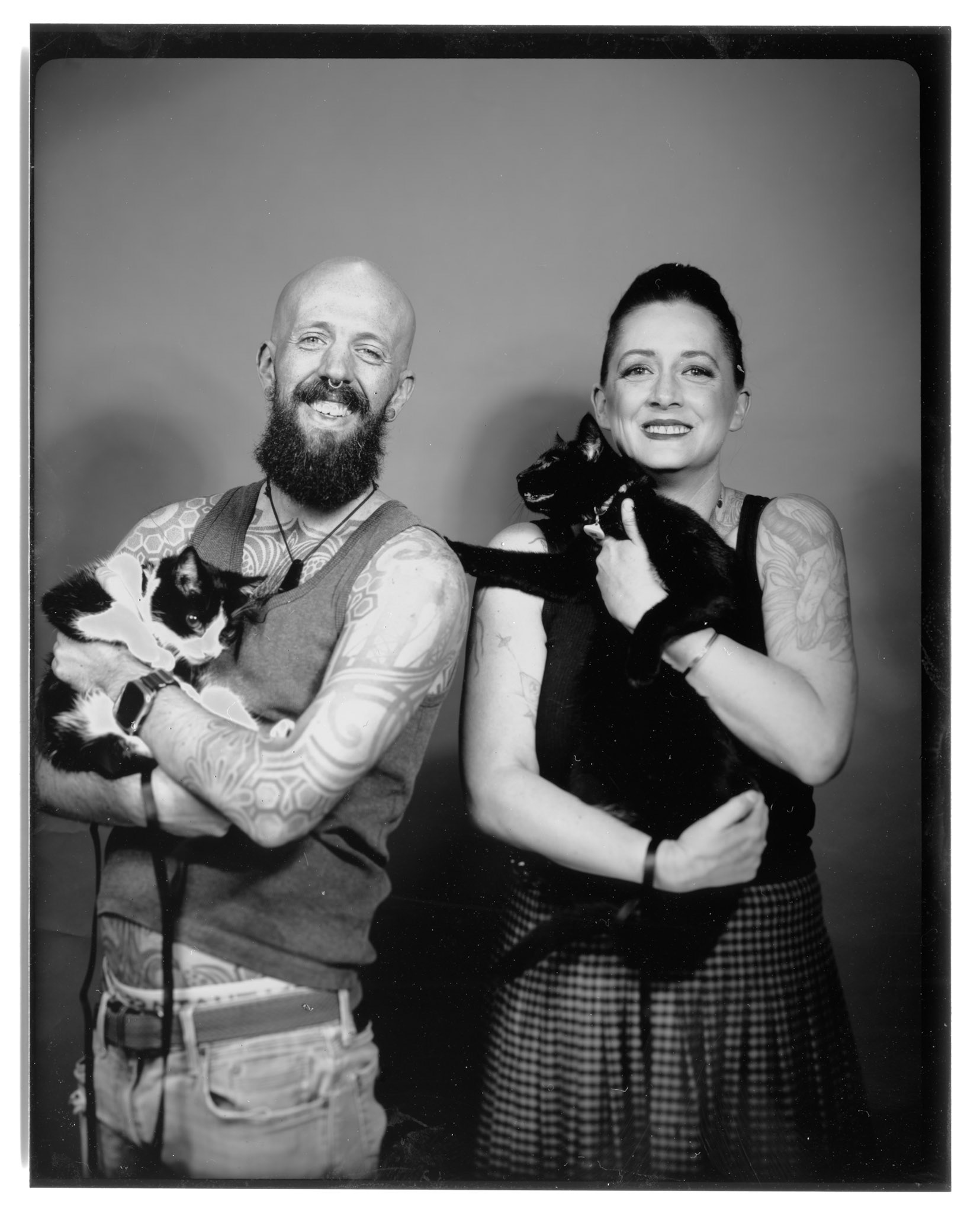
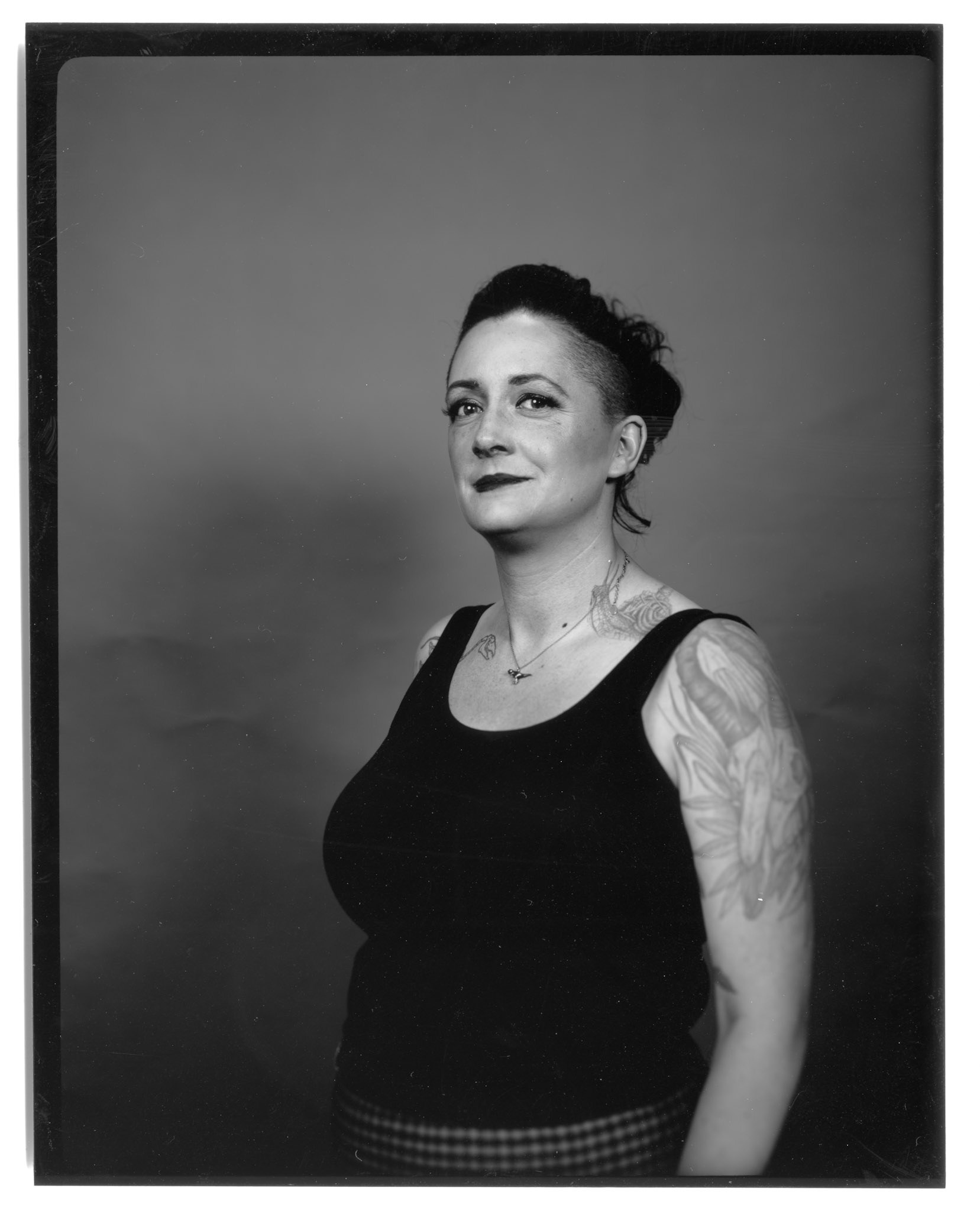
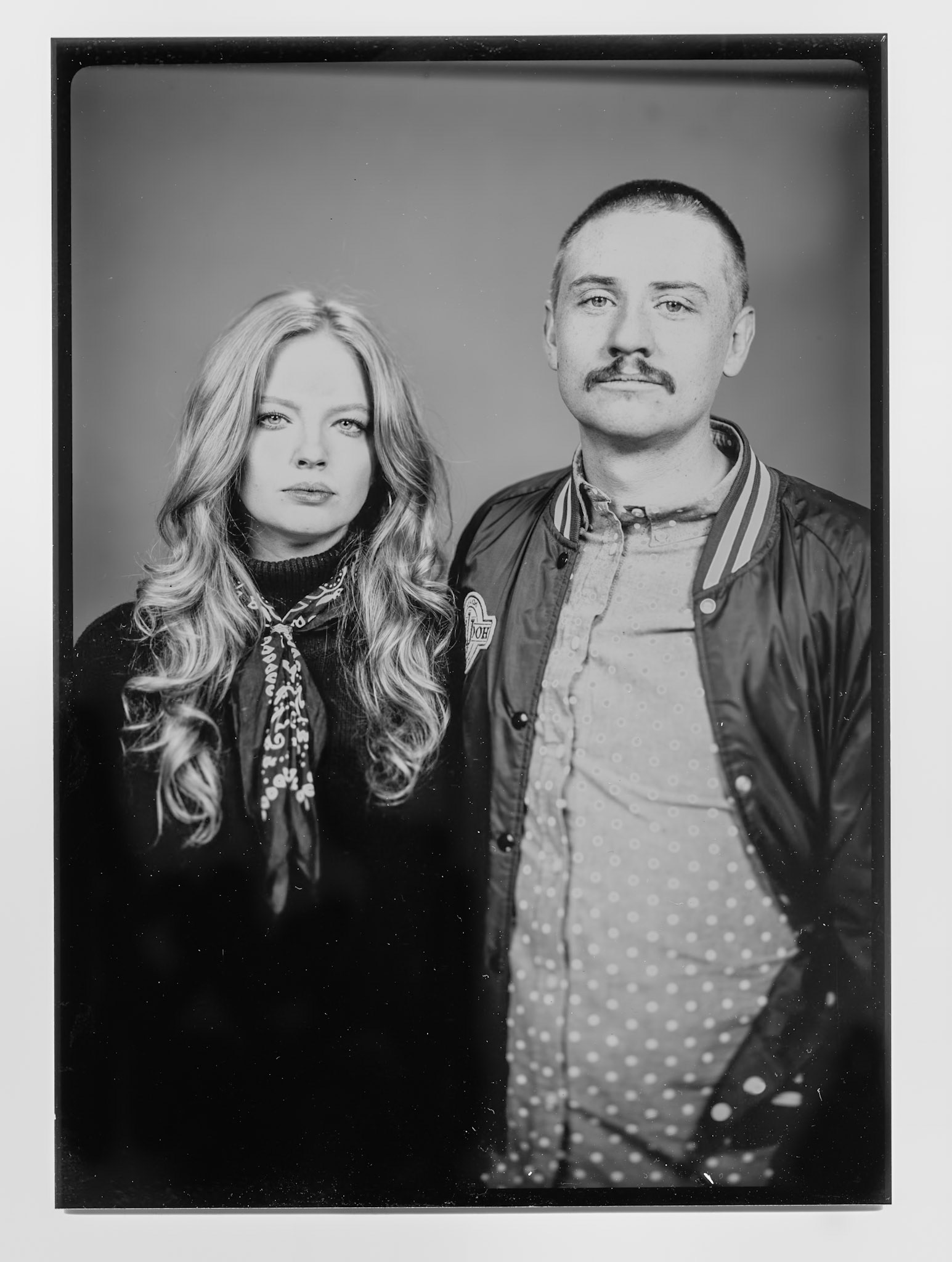
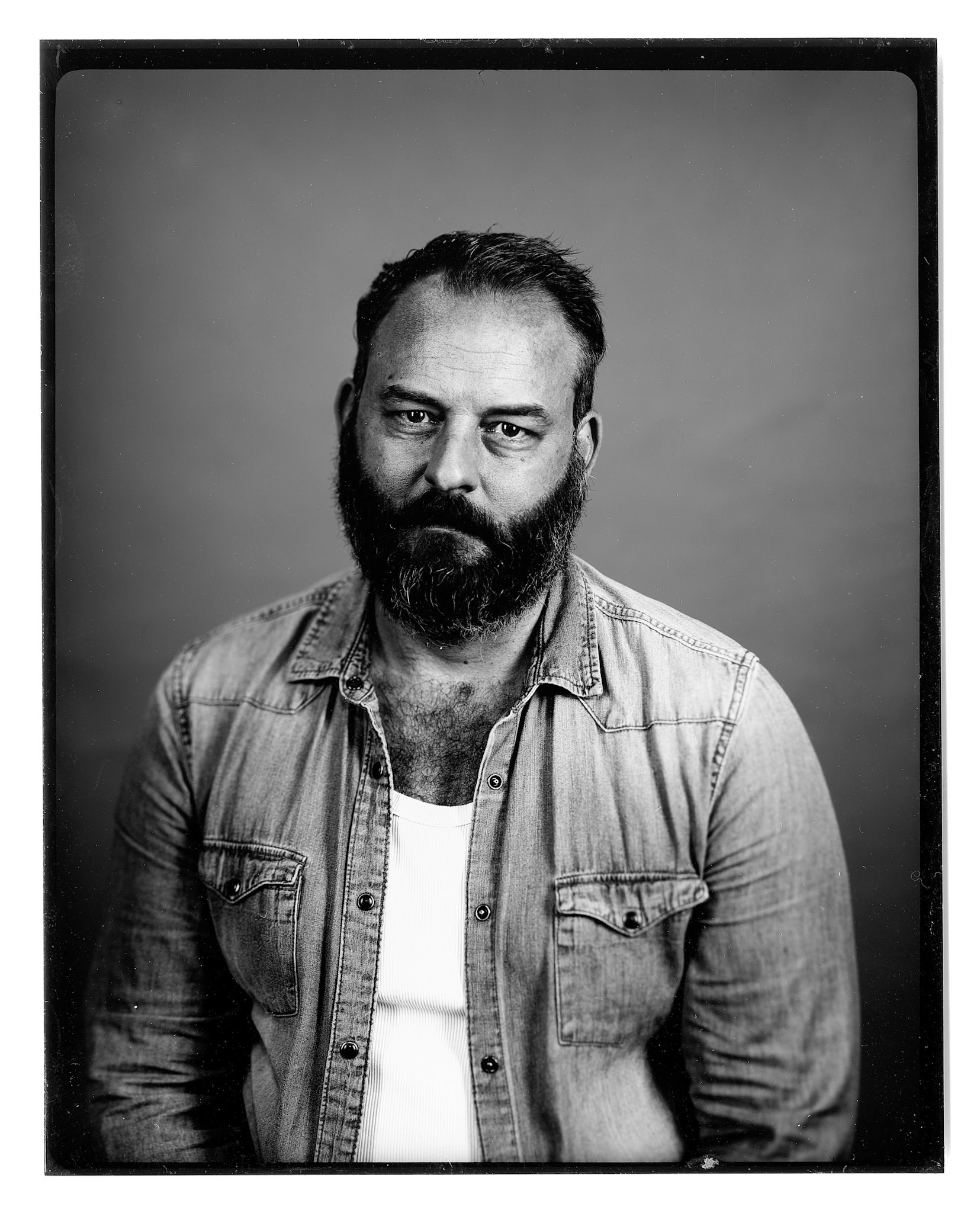
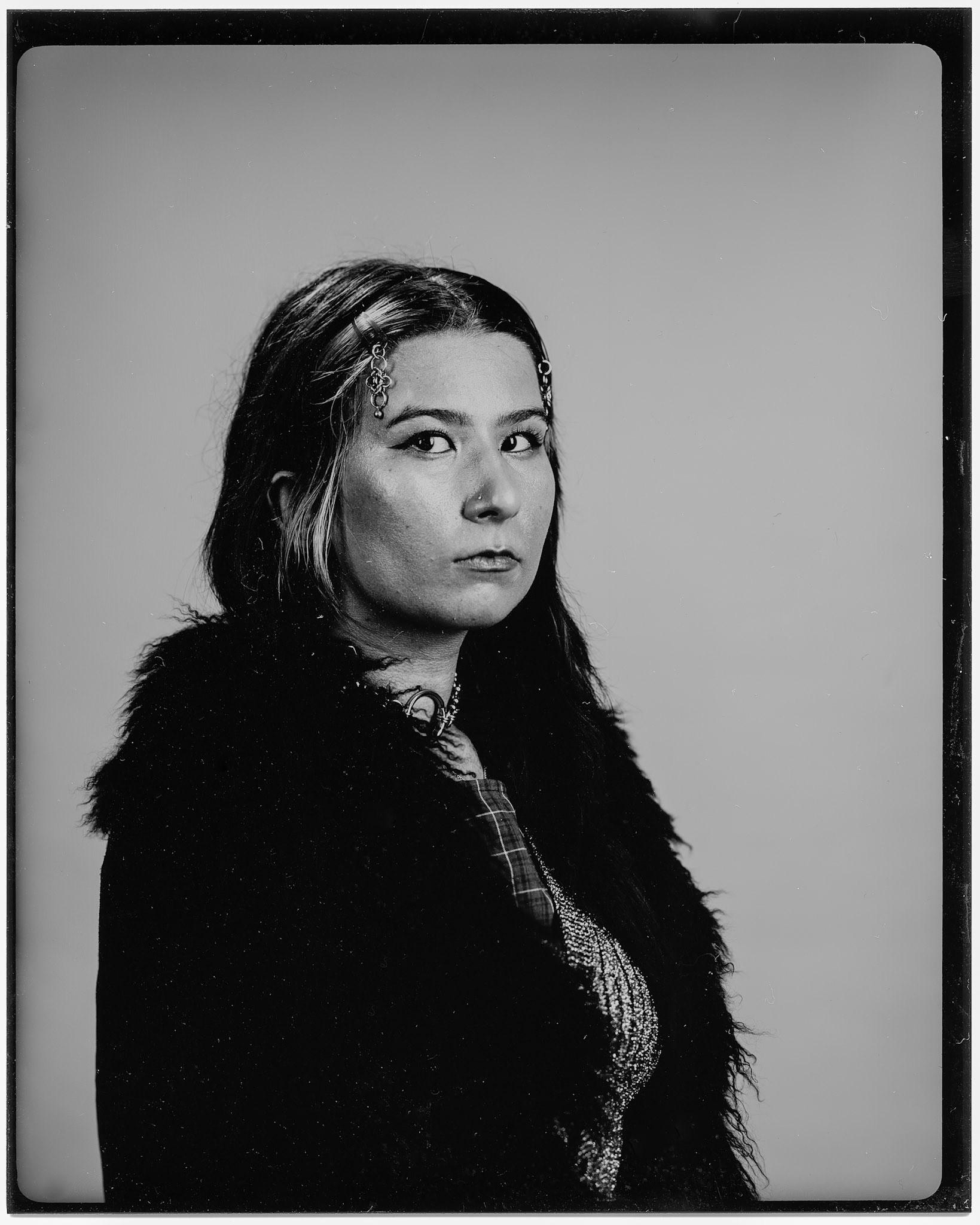
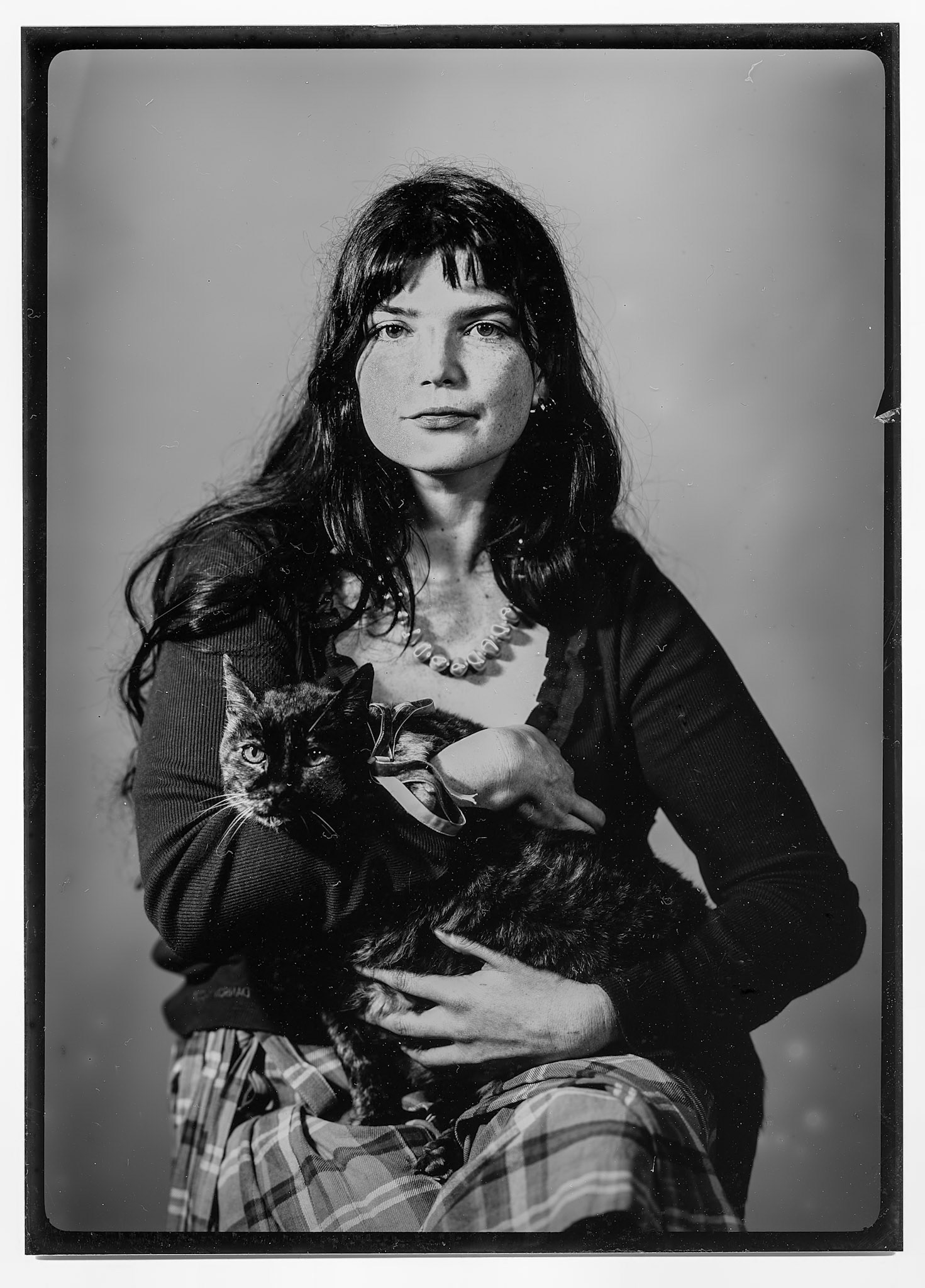
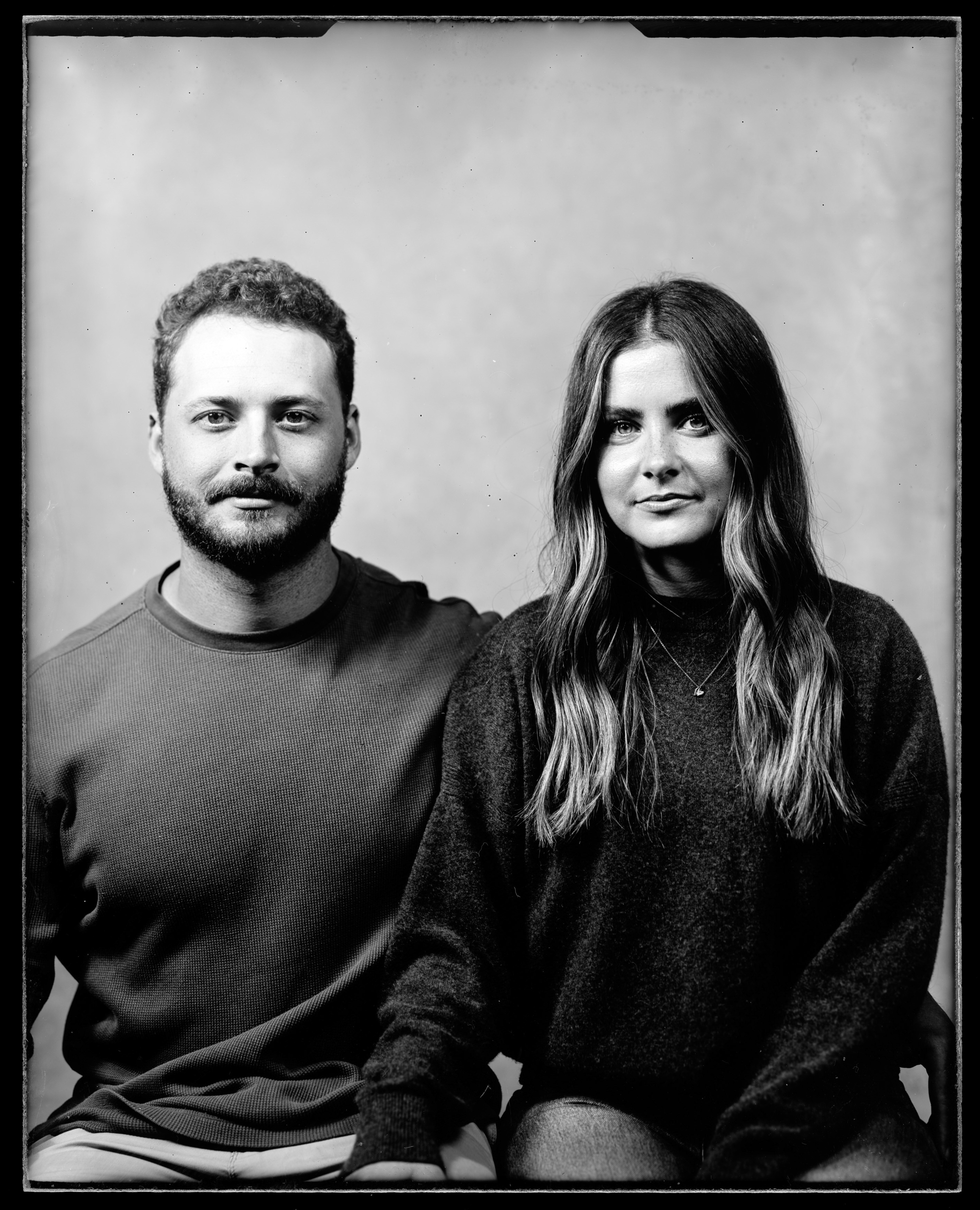
Slow portrait sessions are a personal experience which result in a one-of-a-kind image. I use a range of mediums from glass ambrotypes, metal tintypes, direct positive print paper and large format film to create nuanced and organic portraits.
These portraits capture more than just a physical appearance and a session can be summarised as having the following qualities:
1. Anticipation and Slowness: The nature of these sessions build anticipation. You’ll have a heightened sense of awareness. Because every frame counts it leads to a more thoughtful and deliberate process.
2. Connection and Presence: Because of the slower pace, the interaction between you and I will feel more intentional. There’s a sense of presence in the moment rarely experienced in digital sessions
3. Organic Quality: these mediums have an organic, grainy texture and unique tonal rendition. This adds a certain timelessness to the portrait. You’re struck by the authenticity—the imperfections in the grain make the portrait feel real and raw.
4. Uncertainty and Surprise: The process requires patience, as the outcome isn’t immediate. You and I will share a moment of mystery waiting for it to develop. There’s a certain magic in waiting for something special.
5. Nostalgia and Permanence: These portraits evoke a sense of nostalgia, perhaps because of the tactile nature of the finished portrait. Holding a portrait, with its depth and softness, feels more permanent and timeless. It feels like you’ve captured something enduring and creates an unbroken thread between now and the past.
The entire experience is meditative and artistic, often resulting in a portrait that feels deeply personal and emotionally resonant.
How does a session work?
Preparing for a tintype session is a little different than a modern portrait. The process is slower and more intentional. You’re not just showing up for a photo… you're sharing in a creative process.
What to Wear for a Tintype Portrait
Tintype photography handles color and contrast differently than modern cameras. For example:
Blue appears very light or white
Red often looks nearly black
Yellows will look darker
Pure white & solid black colours can lose detail
Bear this in mind when choosing what to wear. Lean in to tin-type's strengths with textured attire. Clothing with visible texture like denim, corduroy, wool, or lace all look fantastic. You will want to avoid logos, they will look backwards and tend to distract and date the portrait.
Most importantly, don’t overthink it. The best portraits are made when someone shows up dressed in what feels most like themselves. That's the goal to make an image that looks and feels like you.
What to Expect During Your Session
I shoot tintypes using the dry plate process, which means each image is made from plates that are prepared in advance and will be developed right after the image is taken. There will be a reasonable amount of sitting very still. This is mainly due to the very fine and exact focusing of the camera. There are powerful lights used to expose the plate which allows us to create exposures at sub one second speeds. Children and pets are a possibility . In the darkroom we can only use red light to see what we are doing. You can video the whole process on your phone but make sure that your flash/torch is turned off. The whole process from start to finish should last between 75 and 120 minutes.
Here’s how a typical session goes
When you arrive at the studio, we'll sit for a few minutes to discuss how to sit for a tintype to get the best results. Part of my portrait process is learning more about you so that we can make the portrait more authentically yourself so we'll have a casual chat for a few minutes when you arrive, that helps me get to know you a bit better. I'll explain the process of composing, focussing and then exposing the plate. I'll guide you into a relaxed position. The time required to focus and be still is longer than digital photography so I’ll help you settle into a natural still position.
If we are including your pet in the portrait then we'll build in time for letting them acclimatise to the studio before making the image.
Once we have taken the image we'll go to the dark room to develop the plate. After that the plate is dried, scanned, varnished then dried again. While we are doing that I'll tell you a bit about the history of photography and Edinburgh's place in its development as an artform.
Your tintype is handed to you after drying and varnishing. This can all take place while you wait, or you can head out for a bite to eat or drink nearby and return when the plate is ready. It's totally up to you.
Common Questions
Can I smile? Yes — especially a soft, natural smile. Broad grins are harder to hold still and in focus, but we can try a few variations if you're comfortable.
How long does the session take? Most tintype sessions last about 75-120 minutes, including discussion, setup, development and finishing.
Will I get a digital version? Yes. Every client receives a high-resolution scan of their tintype.
What's the studio address? "The Shop With No Name", 2a Broughton Place, EH1 3RX
If you have any questions then reach out to me before the session and I'll be happy to chat.